





Did you know that millions of people worldwide are affected by thyroid disorders, many of whom remain undiagnosed for years? Early detection by a thyroid specialist is crucial in preventing serious health complications.
Thyroid disorders are becoming increasingly common, with millions of people worldwide affected by conditions such as hypothyroidism, hyperthyroidism, and thyroid nodules. Often, these conditions go undiagnosed for extended periods due to the subtle and non-specific symptoms they present. Early diagnosis and proper treatment are crucial to managing thyroid disorders and preventing serious health complications. A thyroid specialist doctor plays a pivotal role in identifying these conditions early and providing effective treatment. In this blog, we’ll explore how a thyroid specialist can help, focusing on early diagnosis, treatment options, and why seeking a specialist is so important.
The Role of a Thyroid Specialist Doctor
A thyroid specialist doctor is highly trained to diagnose and treat disorders related to the thyroid gland, a butterfly-shaped organ located at the base of the neck. This vital gland plays a central role in regulating metabolism, growth, and energy levels. The thyroid produces two key hormones T3 (triiodothyronine) and T4 (thyroxine) which influence almost every organ and system in the body.
When the thyroid is not functioning properly, it can lead to a variety of symptoms, such as unexplained weight changes, fatigue, hair loss, mood swings and more. A thyroid specialist doctor can identify these issues early through a thorough examination, blood tests, and, when needed, imaging techniques.
Why Early Diagnosis is Crucial
Early diagnosis of thyroid disorders can make a significant difference in how effectively the condition is managed. Often, the early signs of thyroid issues are subtle and can easily be mistaken for other common ailments. For instance, fatigue and weight gain are often associated with many conditions, making it difficult to immediately suspect thyroid problems.
A thyroid specialist doctor near me or a thyroid specialist doctor Ropar can perform specialized blood tests, including TSH (Thyroid Stimulating Hormone), Free T4, Free T3, and thyroid antibodies, to accurately assess thyroid function. This bloodwork helps determine if the thyroid is overactive (hyperthyroidism), underactive (hypothyroidism), or functioning normally.
Once diagnosed, the thyroid specialist can tailor a treatment plan specific to the type of thyroid disorder, allowing for faster relief from symptoms and better management of the condition.

How a Thyroid Specialist Can Help
- Accurate Diagnosis:
One of the key benefits of consulting a thyroid specialist is the ability to get an accurate and comprehensive diagnosis. A thyroid specialist doctor in Chandigarh or any nearby area, such as a thyroid specialist Punjab, can use advanced diagnostic tools to detect thyroid disorders that may not be immediately evident through routine tests or general practitioner visits.
- Tailored Treatment Plans:
Each thyroid disorder has a unique cause and treatment approach. Whether it’s hypothyroidism, hyperthyroidism, or thyroid nodules, a specialist will tailor the treatment plan based on individual needs. For example, those with hypothyroidism may be prescribed thyroid hormone replacement therapy, while those with hyperthyroidism may benefit from medications that reduce thyroid hormone production.
- Long-Term Care and Monitoring:
Thyroid disorders often require long-term care, particularly if medication is necessary. Regular checkups with a thyroid specialist doctor in Ropar can help ensure that the treatment is working effectively. A specialist will monitor hormone levels and adjust medications as needed, helping you maintain optimal thyroid health.
- Managing Complications:
Untreated thyroid disorders can lead to severe complications, such as heart problems, bone loss, or even infertility. A thyroid specialist doctor in Rupnagar can identify these risks early and take steps to manage and prevent them, improving overall quality of life.
- Specialized Knowledge and Expertise:
While a general practitioner can offer initial support, a thyroid specialist has in-depth knowledge and experience in dealing with complex thyroid disorders. Their specialized knowledge allows them to stay updated with the latest research and treatment options, providing patients with the most effective care.
Treatment Options for Thyroid Disorders
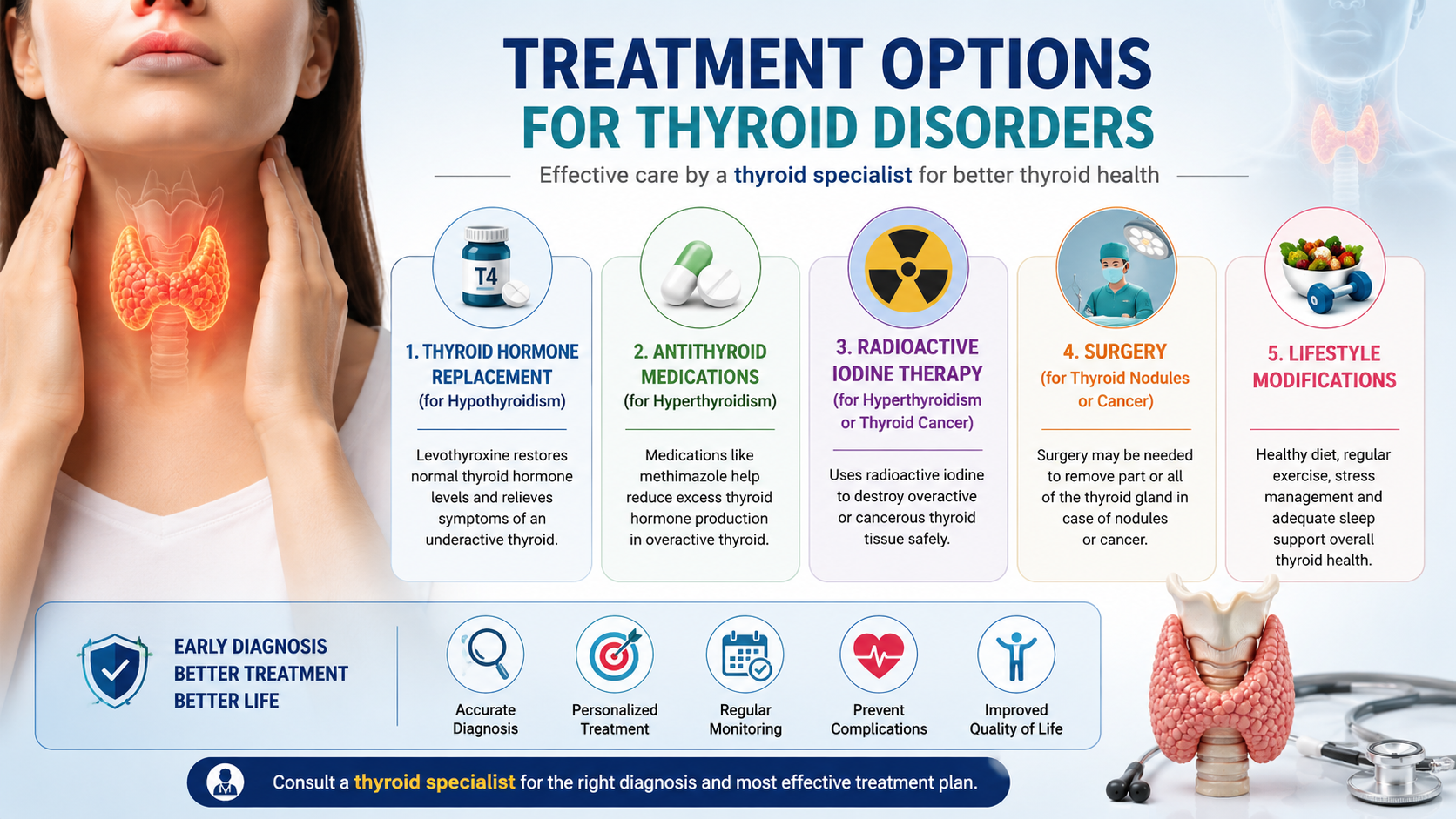
The treatment for thyroid disorders depends on the type and severity of the condition. A thyroid specialist in Ropar or surrounding areas may recommend several approaches, including:
- Thyroid Hormone Replacement (for Hypothyroidism): This is the most common treatment for underactive thyroid. Levothyroxine, a synthetic form of thyroid hormone, is prescribed to restore normal hormone levels.
- Antithyroid Medications (for Hyperthyroidism): For overactive thyroid, medications such as methimazole help reduce thyroid hormone production.
- Radioactive Iodine Therapy (for Hyperthyroidism or Thyroid Cancer): This treatment involves using radioactive iodine to destroy thyroid tissue that produces excess hormones or cancerous cells.
- Surgery (for Thyroid Nodules or Cancer): In cases where thyroid nodules are causing problems or when thyroid cancer is diagnosed, surgery may be necessary to remove the thyroid gland or part of it.
- Lifestyle Modifications: In some cases, a thyroid specialist may also recommend lifestyle changes, such as diet and exercise, to support thyroid health.
Why Choose a Thyroid Specialist Doctor Near Me?
When dealing with thyroid issues, it’s essential to choose a qualified thyroid specialist doctor near me who has a deep understanding of the thyroid gland and its functions. A specialist can accurately diagnose and recommend appropriate treatment plans that may not be available through a general practitioner.
If you are looking for the best thyroid specialist doctor in Ropar, Punjab Dr. Ram ENT Hospital offers expert thyroid treatment in Rupnagar, Punjab. With advanced diagnostic techniques and personalized care, you can trust Dr. Ram and his team to provide the best possible treatment for your thyroid disorder.
FAQs
1. What are the symptoms of thyroid disorders?
Thyroid disorders can cause a wide range of symptoms, including fatigue, weight gain or loss, changes in heart rate, hair loss, and mood swings. A thyroid specialist doctor can help determine if these symptoms are related to thyroid dysfunction.
2. How can a thyroid disorder affect pregnancy?
Thyroid disorders, particularly hypothyroidism and hyperthyroidism, can interfere with pregnancy. They can cause complications such as miscarriage, preterm birth, and developmental issues for the baby. Early diagnosis and treatment by a thyroid specialist are crucial during pregnancy.
3. Can thyroid problems cause weight changes?
Yes, thyroid problems can significantly impact your weight. Hypothyroidism often leads to weight gain, while hyperthyroidism can cause unintended weight loss. A thyroid specialist can help manage weight changes associated with thyroid disorders.
4. Is thyroid cancer common?
Thyroid cancer is relatively rare, but it is treatable if detected early. A thyroid specialist doctor can diagnose thyroid cancer through biopsy and imaging tests and recommend appropriate treatment options, including surgery or radioactive iodine therapy.
5. How often should I see a thyroid specialist?
The frequency of visits to a thyroid specialist depends on the type of thyroid disorder and the treatment plan. Typically, patients with thyroid conditions should see their specialist at least once every 6-12 months for monitoring and adjustments to their treatment.