




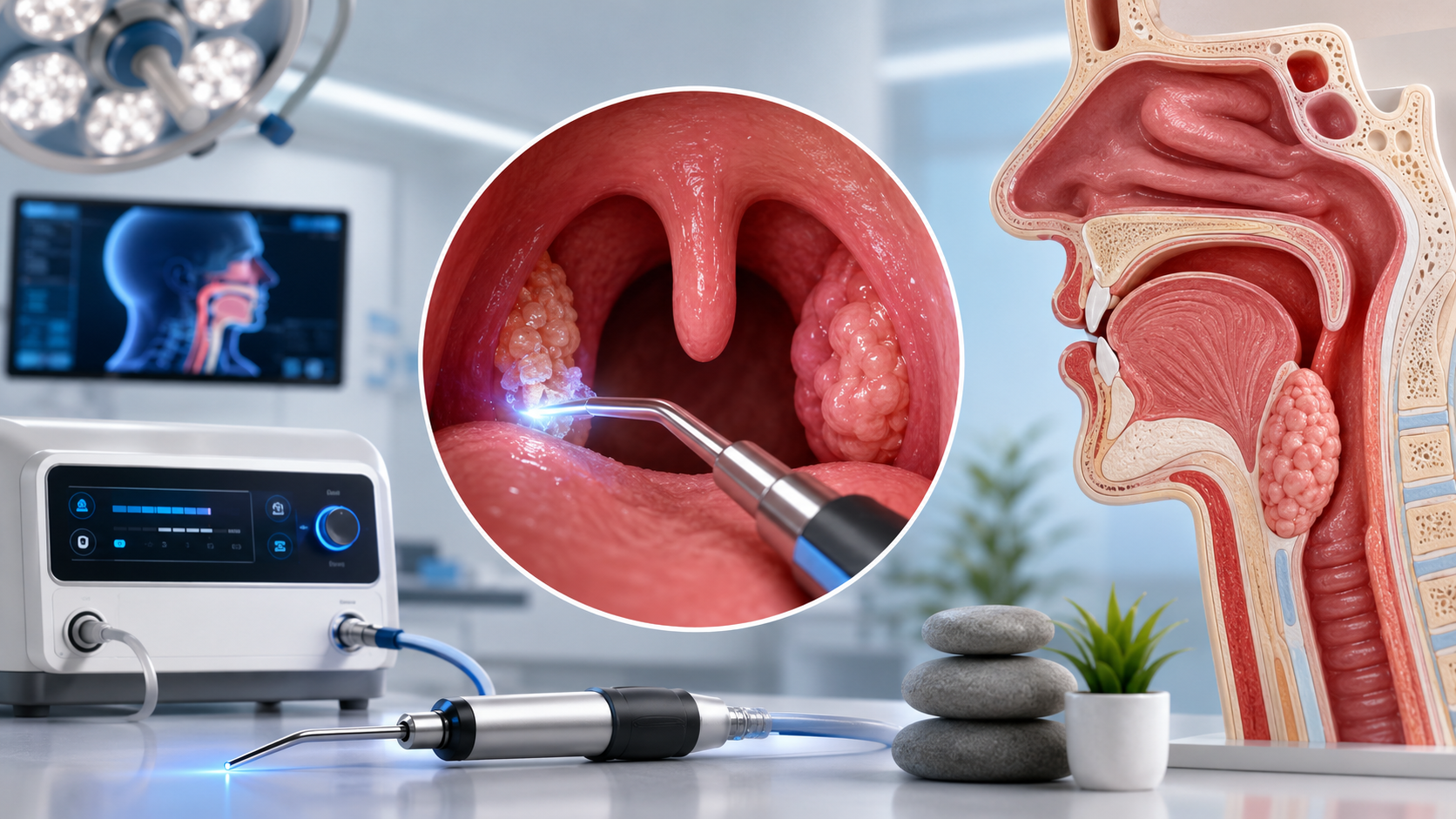
Most people don’t think much about their tonsils until they start causing trouble. Repeated throat infections, difficulty swallowing and poor sleep can slowly take over daily life. If you’ve reached the point where medications no longer help, surgery becomes the logical next step.
What’s changed in recent years is how that surgery is performed. Instead of older, more aggressive techniques, many ENT specialists now recommend coblation tonsillectomy surgery for a smoother and more controlled treatment experience.
When Tonsils Stop Helping and Start Harming
Tonsils are part of the body’s defense system. But in some cases, they turn into a recurring problem instead of protection.
You might be dealing with a chronic condition if:
- Throat infections return multiple times a year
- Pain interferes with eating or speaking
- You experience disturbed sleep or snoring
- Antibiotics only give temporary relief
At this stage, removing the tonsils is not just about symptom relief it’s about restoring long-term comfort and preventing repeated illness.
A New Generation Technique: What Makes Coblation Different?
Unlike traditional surgery methods that rely on extreme heat, coblation uses a controlled energy field to gently dissolve tissue. This difference may sound technical, but it directly impacts your recovery.
Instead of burning tissue:
- The procedure works at significantly lower temperatures
- Surrounding areas remain largely unaffected
- Healing begins faster with less inflammation
This is why many patients searching for coblation tonsillectomy options are specifically looking for a less painful alternative.
Real Benefits Patients Notice After Surgery

Patients don’t just want a successful surgery they want a comfortable recovery. That’s where this method stands out.
Reduced Discomfort
Lower temperature technology leads to less irritation in the throat after surgery.
Faster Return to Routine
Many people resume normal activities sooner compared to conventional methods.
Lower Risk of Complications
Precise tissue removal helps minimize bleeding and swelling.
Better Experience for Children
Parents often prefer this method because children tolerate recovery better.
These advantages make Laser coblation tonsillectomy and coblation-based techniques a preferred choice in modern ENT practice.
Who Should Consider This Treatment?
Surgery is recommended only when it’s truly needed. You may be a candidate if:
- You have frequent infections year after year
- Your tonsils are enlarged and affect breathing
- You’ve had complications like abscess formation
- Daily life is impacted by ongoing throat discomfort
An ENT specialist evaluates your condition in detail before recommending surgery.
Inside the Procedure: What Actually Happens?
Understanding the process helps remove fear and uncertainty.
- The procedure is performed under general anaesthesia
- A specialized instrument precisely removes the tonsils
- The surgeon works carefully to protect surrounding tissue
- The process typically finishes within half an hour
After a short observation period, most patients can go home the same day.
Recovery: A Smoother Healing Journey
One of the biggest reasons patients choose coblation tonsillectomy surgery is the recovery experience.
Here’s what you can expect:
- Mild throat discomfort for a few days
- Ability to start soft foods quickly
- Gradual return to a normal diet
- Faster overall healing compared to older techniques
Proper hydration and following medical advice play a key role in speeding up recovery.
Clearing the Confusion Around Laser vs Coblation

Many people assume laser procedures are the most advanced option. While they are effective, coblation offers a distinct advantage due to its lower heat levels.
Laser methods:
- Use concentrated light energy
- Generate higher temperatures
Coblation methods:
- Use controlled energy with saline
- Work at lower temperatures
- Cause less stress to surrounding tissue
For patients focused on comfort and recovery, coblation is often the smarter choice.
Understanding Cost Without Confusion
Another common concern is oblation tonsillectomy cost. The price isn’t fixed and depends on several practical factors:
- Type of hospital and facilities
- Surgeon’s expertise
- Patient’s condition and care requirements
- Whether additional tests are needed
If you’re specifically searching for Coblation tonsillectomy surgery ropar, it’s important to look beyond price alone and focus on safety, experience and overall treatment quality.
Why Experience Matters More Than Technology
Even the best technology depends on the hands using it. A well-trained ENT specialist ensures:
- Accurate diagnosis
- Safe surgical execution
- Proper post-operative care
- Smooth recovery guidance
Choosing the right medical team plays a major role in the final outcome.
Chronic tonsil issues can quietly reduce your quality of life, but modern treatment options have changed the experience completely. Today, patients no longer have to fear long recovery periods or intense discomfort.
For those considering Coblation tonsillectomy surgery ropar, getting the right guidance is the first step. With advanced techniques and patient-focused care, Dr. Ram ENT Hospital offers a reliable path toward lasting relief. If you’re ready to move beyond recurring infections, Dr. Ram ENT Hospital can help you take that step with confidence.
Frequently Asked Questions
1. How painful is recovery after coblation tonsillectomy?
Recovery discomfort is usually mild compared to older methods. Patients may feel throat irritation for a few days, but it improves steadily. Pain is manageable with medication and following diet and hydration advice helps make recovery smoother and more comfortable.
2. What factors affect coblation tonsillectomy cost?
The cost depends on hospital facilities, surgeon experience and individual patient needs. Additional tests, medications or extended care can influence pricing. It’s best to consult directly with a hospital to get an accurate estimate tailored to your condition.
3. Is this surgery suitable for kids?
Yes, it is commonly recommended for children with frequent infections or breathing issues. The technique minimizes tissue damage, reduces bleeding risk and supports quicker recovery, making it a preferred option for pediatric patients under expert medical supervision.
4. How long does the surgery take?
The procedure usually takes about 20 to 30 minutes. Including preparation and observation time, patients may spend a few hours at the hospital. In most cases, it is completed as a same-day procedure without requiring overnight admission.
5. When can normal eating resume after surgery?
Patients can start with soft foods within a couple of days after surgery. A normal diet is usually resumed within one to two weeks. Avoiding spicy or hard foods initially helps prevent irritation and supports proper healing during recovery.