




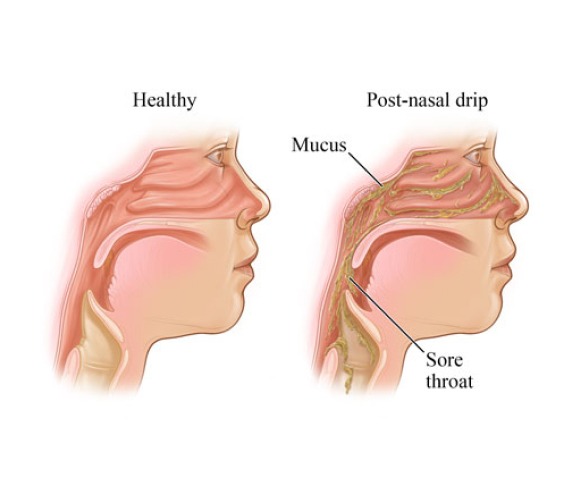
Post-nasal drip is a condition in which excessive mucus is produced and accumulates in the nasal passages and the back of the throat. This often creates a constant sensation of mucus dripping down the throat, leading many patients to seek treatment for nasal drip cough when symptoms become persistent or uncomfortable. Post-nasal drip is a common issue and is usually linked to an underlying medical condition affecting the nose, sinuses or throat.
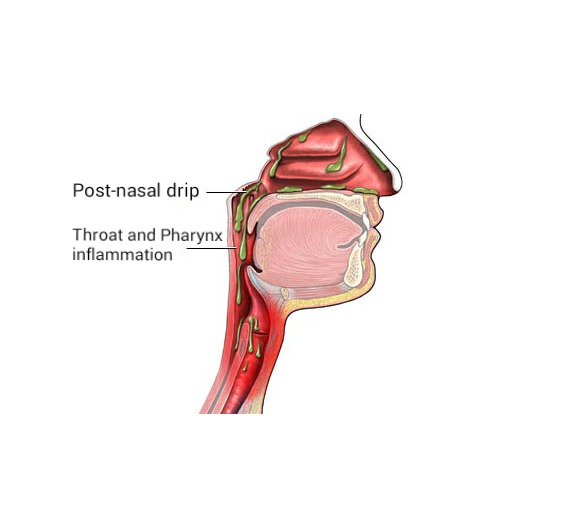
Causes of Post-Nasal Drip:
Post-nasal drip can develop due to several medical and environmental factors, including:
Allergies: Allergic reactions to pollen, dust mites, mold or pet dander can stimulate excessive mucus production, often requiring nasal drip and cough treatments to control ongoing symptoms.
Upper Respiratory Infections: Viral or bacterial infections such as the common cold, flu or sinusitis frequently increase mucus production and may result in a lingering cough that needs proper post nasal cough treatment.
Gastroesophageal Reflux Disease (GERD): Acid reflux can irritate the throat and nasal passages, leading to chronic mucus buildup and the need for targeted treatment of post nasal drip and cough.
Irritants: Exposure to smoke, pollution, chemical fumes or strong odors can irritate the nasal lining and worsen mucus secretion.
Structural Issues: Conditions such as a deviated nasal septum or nasal polyps can interfere with normal mucus drainage and may contribute to long-term symptoms that do not respond to basic post nasal drip cough remedy options.
Symptoms of Post-Nasal Drip
Post-nasal drip is characterized by various symptoms, which may include:
Sensation of Dripping: Feeling mucus constantly dripping down the throat or into the back of the nose.
Sore Throat: Irritation of the throat due to the presence of excess mucus.
Coughing: Persistent cough, especially at night.
Throat Clearing: Frequent throat clearing to remove mucus.
Bad Breath: Foul-smelling breath can result from mucus accumulation.
Nausea: Excessive swallowing of mucus can lead to an upset stomach.
Treatment of Post-Nasal Drip
Effective treatment for post nasal drip coughing depends on identifying and addressing the root cause of the condition:
Allergy Management: Avoiding allergens and using antihistamines or nasal corticosteroid sprays can reduce mucus production and improve breathing.
Infection Treatment: Bacterial infections may require antibiotics, while viral infections are typically managed with supportive care and monitoring.
GERD Control: Lifestyle changes such as dietary modifications, along with acid-suppressing medications, can help control reflux-related post-nasal drip.
Irritant Avoidance: Limiting exposure to smoke, pollution and other irritants can significantly improve symptoms.
Nasal Saline Irrigation: Regular use of saline sprays or nasal rinses helps flush out excess mucus and supports natural drainage.
Surgery: When structural abnormalities are responsible for chronic symptoms, surgical intervention may be recommended as part of a long-term treatments for post nasal drip cough plan.
Management and Prevention
To manage and prevent post-nasal drip:
Hydration: Drinking plenty of water helps thin mucus and promote drainage.
Humidifiers: Using a humidifier adds moisture to the air, reducing throat irritation.
Elevate Head: Sleeping with an elevated head can prevent mucus from pooling in the throat.
Avoid Triggers: Identify and avoid factors that worsen symptoms, such as allergens or irritants.
Regular Check-Ups: Consult a healthcare provider to determine the underlying cause and create a personalized treatment plan.
Post-nasal drip is a condition marked by excessive mucus accumulation in the nasal passages and throat, leading to symptoms such as throat irritation, coughing, and discomfort. It may result from allergies, infections, acid reflux, environmental irritants, or structural nasal problems. Treatment focuses on addressing the underlying cause through medications, lifestyle changes, or surgical care when needed. In addition to managing post-nasal drip, comprehensive ENT care may also include treatment for related conditions such as sinus disorders and fracture of nasal bones, ensuring complete evaluation and long-term relief for patients.
Are you struggling with persistent post-nasal drip?