





Breathing is something most of us take for granted—until a nasal disorder disrupts it. Nasal disorders can cause significant discomfort, impacting daily life, sleep quality, and even overall health. At Dr Ram ENT Hospital, we specialize in providing expert Nasal Disorders Treatment, offering personalized care tailored to your unique needs. Our dedicated team, led by… Continue reading Comprehensive Nasal Disorders Treatment at Dr Ram ENT Hospital
Author: admin
Benefits of Coblation in Adenoid and Tonsil Surgery

Trusted Care by Dr Ram ENT Hospital Coblation Tonsillectomy Surgery: A Smarter Way to Say Goodbye to Chronic Tonsil Problems Chronic tonsillitis isn’t just an inconvenience. For patients dealing with recurrent infections, persistent throat pain, sleep disruption, and difficulty swallowing, it becomes a condition that quietly erodes quality of life. Coblation tonsillectomy surgery offers a… Continue reading Benefits of Coblation in Adenoid and Tonsil Surgery
Living with Hyperthyroidism: Managing Medical Monitoring and Daily Life

Hyperthyroidism necessitates ongoing medical monitoring. The frequency of check-ups is determined by the specialty doctor or treating physician. It is critical to see a thyroid specialist Ropar to ensure that your disease is managed effectively. The resumption of professional and recreational activities is dependent on medical guidance. Hyperthyroidism: medical monitoring Hyperthyroidism is a disease that… Continue reading Living with Hyperthyroidism: Managing Medical Monitoring and Daily Life
Common Causes of Nasal Bone Fractures and How to Prevent Them

A nasal bone fracture, commonly referred to as a broken nose, is one of the most frequent types of facial injuries. The nose is particularly vulnerable because it protrudes from the face and is composed of thin bones that can easily break under impact. While nasal fractures are usually not life-threatening, they can cause significant… Continue reading Common Causes of Nasal Bone Fractures and How to Prevent Them
Chronic Suppurative Otitis Media (CSOM)
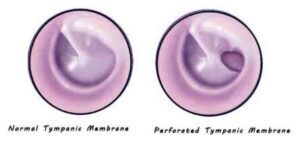
What is CSOM treatment? Chronic Suppurative Otitis Media (CSOM) is a medical term used to describe a persistent and long-lasting infection of the middle ear with continuous or recurrent ear discharge (otorrhea) through a perforation (hole) in the tympanic membrane (eardrum). This condition can lead to hearing loss, discomfort, and other complications if not properly… Continue reading Chronic Suppurative Otitis Media (CSOM)