




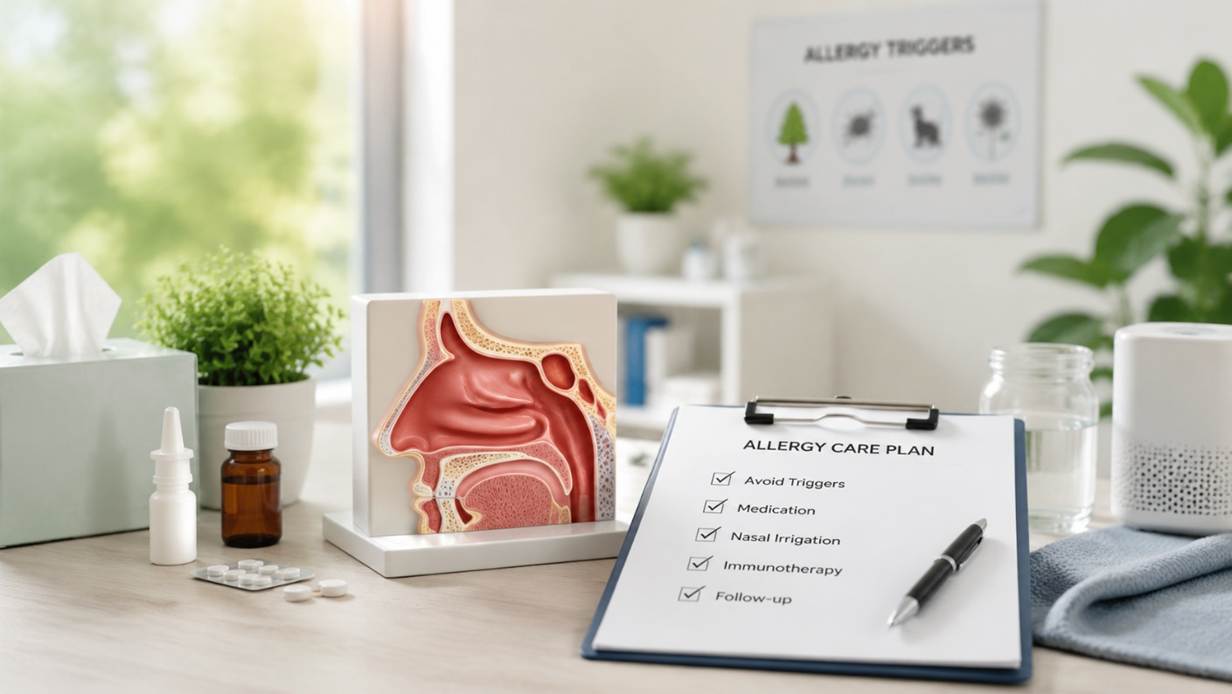
Punjab’s changing seasons bring more than festivals and harvests. They also bring pollen, dust, and smoke from crop residue burning, all of which trigger one of the most common yet underestimated health problems in the region: allergic rhinitis. If you sneeze through every change of season, wake up with a blocked nose, or find yourself reaching for tissues more often than you’d like, you are not imagining it. Millions of people across Punjab deal with this condition every year, and many of them never get proper treatment because they assume it is “just a cold that won’t go away.
Allergic rhinitis is not a cold. It is an immune reaction to allergens like pollen, dust mites, pet dander, or mould spores. The nose reacts to these triggers by producing excess mucus, swelling the nasal lining, and causing sneezing fits that can last for weeks. Left untreated, it disrupts sleep, lowers concentration at work or school, and in many cases, leads to complications like sinusitis or worsened asthma. The good news is that treatment for this condition has moved far beyond the basic antihistamine tablet. Doctors now use a layered, evidence-based approach that treats both the symptoms and the root cause.
Understanding Why Allergic Rhinitis Happens in Punjab
Punjab’s agricultural landscape plays a direct role in allergy rates. Paddy and wheat pollen, along with smoke from stubble burning in October and November, create a spike in nasal allergy cases every year. Add to this rising air pollution in cities like Ludhiana, Jalandhar, and Amritsar, and you get a population that is more exposed to airborne irritants than most. Indoor triggers such as dust mites in bedding, mould in humid bathrooms, and pet fur add another layer of exposure that many patients don’t even realise is affecting them.
Because the triggers are so varied, a single medicine rarely solves the problem for good. Effective treatment starts with identifying exactly what a person is reacting to, and this is where diagnosis becomes just as important as the medicine itself.
Step One: Accurate Diagnosis Before Treatment
A detailed history and physical examination usually reveal a lot, but for recurring or severe cases, doctors often recommend allergy testing to pinpoint the exact allergen. This is where many patients search for **skin allergy testing near me**, and rightly so, because a proper skin prick test or blood-based IgE test can save years of guesswork. Instead of trying different tablets one after another, you get a clear list of what to avoid and what your treatment plan should target.
If you’re also dealing with skin reactions alongside nasal symptoms, such as hives, eczema flare-ups, or itching linked to the same allergens, consulting a skin allergy doctor near me alongside your ENT specialist can give a fuller picture. Allergic conditions often overlap and treating them together tends to give better long-term results than treating each symptom in isolation.
Modern Pharmacological Treatment: More Targeted Than Before
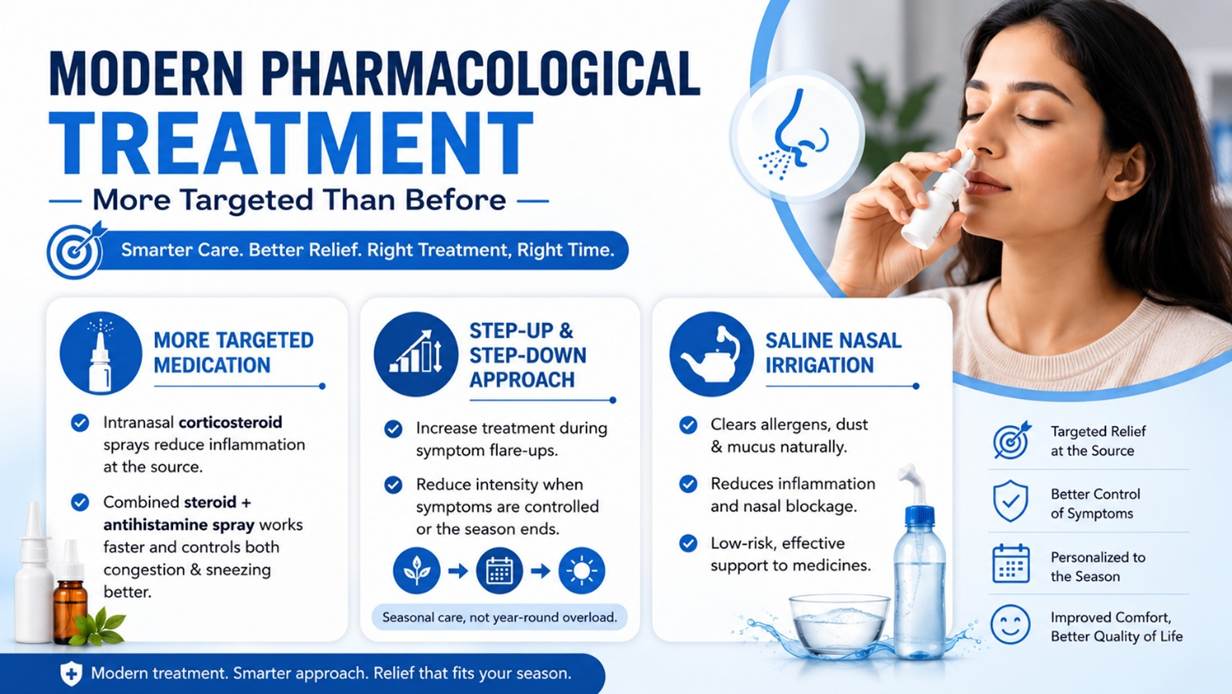
The first line of allergic rhinitis treatment still includes antihistamines and nasal sprays, but the way doctors use them has changed. Intranasal corticosteroid sprays remain the cornerstone of therapy because they reduce inflammation directly at the source rather than just blocking histamine reactions. When combined with an intranasal antihistamine in a single spray, they work faster and control both congestion and sneezing more effectively than either medicine alone.
Doctors now also follow a step-up and step-down approach. Treatment intensity increases when symptoms flare and reduces once the allergy season passes or symptoms come under control. This keeps medication appropriate to the season rather than year-round, which matters a lot for patients who only struggle during specific months like the harvest season.
Saline nasal irrigation has also gained wider acceptance as a low-risk addition to standard treatment. Rinsing the nasal passage with a saline solution clears allergens and mucus mechanically, which reduces the load on medicines and shortens recovery time between flare-ups.
Allergen Immunotherapy: Treating the Cause, Not Just the Symptoms
For patients whose allergies keep coming back despite medication, allergen immunotherapy offers a more permanent solution. This treatment introduces small, gradually increasing amounts of the allergen into the body, either through injections (subcutaneous immunotherapy) or drops and tablets placed under the tongue (sublingual immunotherapy). Over months of consistent use, the immune system becomes less reactive to the allergen, which reduces symptoms and, in many patients, cuts down long-term dependence on daily medication.
Sublingual immunotherapy has become particularly popular because it can often be taken at home after the initial dose is supervised by a doctor. It suits patients who struggle with regular clinic visits, including working professionals and students juggling exams.
Biologic Therapies for Severe and Persistent Cases
For a smaller group of patients whose allergic rhinitis does not respond to standard treatment, biologic medicines represent one of the newer developments in this field. These are antibody-based treatments that target specific parts of the immune response responsible for allergic inflammation. They are generally reserved for moderate-to-severe cases, often when allergic rhinitis coexists with asthma, and are prescribed only after a specialist evaluates whether the benefit outweighs the cost and commitment involved. This option is not for everyone, but it has changed the outlook for patients who previously had no good answer for chronic, severe symptoms.
Lifestyle Measures That Support Medical Treatment
No treatment plan works in isolation from daily habits. Reducing exposure to known triggers makes a measurable difference. This includes keeping windows closed during high-pollen days, washing bedsheets in hot water weekly to reduce dust mites, using air purifiers indoors during the stubble-burning season, and showering after spending time outdoors to remove pollen from hair and skin. None of these steps replace medical treatment, but together with it, they reduce how often flare-ups occur and how severe they get.
The Role of Digital Tracking in Modern Care
An emerging trend in allergy management is the use of symptom-tracking apps and digital diaries. Patients note their daily symptoms, local pollen counts, and medication use, which helps doctors adjust treatment more precisely at follow-up visits. This is especially useful for patients whose symptoms vary sharply with the season, since it gives the doctor real data rather than a vague description of “it’s been bad lately.”
When Should You See a Specialist?
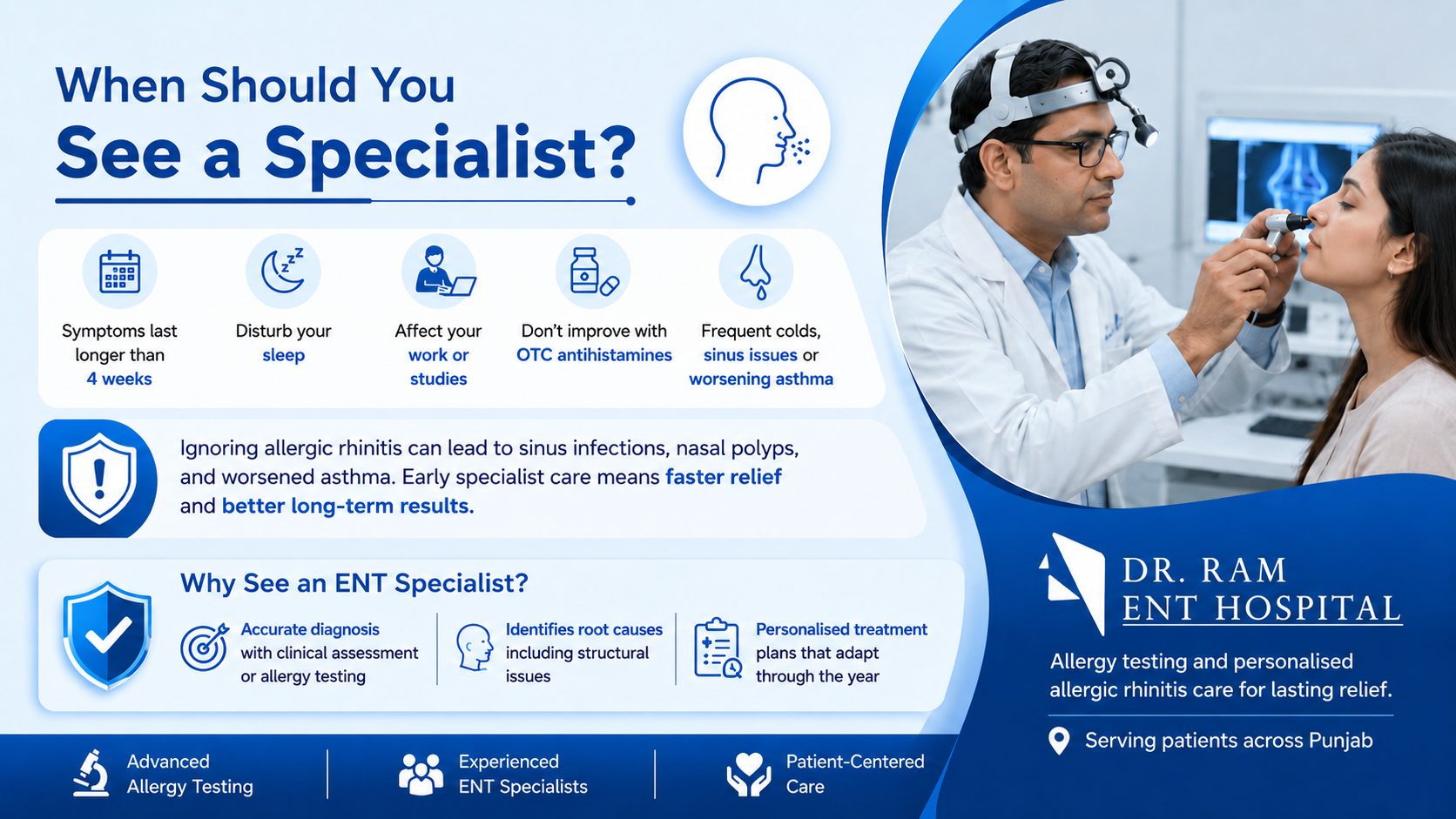
If your symptoms last longer than four weeks, disturb your sleep, affect your work or studies, or don’t improve with over-the-counter antihistamines, it is time to consult an ENT specialist rather than continue self-medicating. Chronic, poorly managed allergic rhinitis increases the risk of sinus infections, nasal polyps, and worsened asthma control. A specialist can also check for structural issues, like a deviated septum, that sometimes mimic or worsen allergy symptoms and need a different treatment approach altogether.
Getting the right diagnosis early, whether through a detailed clinical assessment or targeted allergy testing, usually shortens the path to relief considerably. Patients who wait years before seeking specialist care often end up needing more intensive treatment than those who address the problem in its early stages.
If you are looking for a team that combines accurate diagnosis with a modern, layered treatment plan, Dr. Ram ENT Hospital offers allergy testing and personalised allergic rhinitis care built around your specific triggers rather than a one-size-fits-all prescription. The team at Dr. Ram ENT Hospital works with patients across Punjab to identify root causes and build treatment plans that adapt as symptoms change through the year.
Frequently Asked Questions
1. How is allergic rhinitis different from a regular cold?
A cold is caused by a virus and usually resolves within 7 to 10 days, often with body ache or fever. Allergic rhinitis is an immune reaction to allergens like pollen or dust, has no fever, and can persist for weeks or recur every season. Symptom patterns and duration are usually the biggest clues that separate the two.
2. Can allergic rhinitis be cured permanently, or only managed?
Most standard treatments manage symptoms rather than cure the condition outright. However, allergen immunotherapy is currently the only approach that can modify the underlying immune response, offering long-term reduction in symptoms for many patients even after treatment ends.
3. Is allergy testing necessary before starting treatment?
Not always, especially for mild, occasional symptoms that respond well to basic antihistamines. But for recurring, severe, or unclear cases, allergy testing helps identify the specific trigger, which allows for a far more targeted and effective treatment plan instead of trial and error.
4. Are nasal steroid sprays safe for long-term use?
When used at the doses recommended by a doctor, intranasal corticosteroids have a strong safety record even with extended use. They act locally in the nasal lining rather than affecting the whole body significantly, which is why doctors often prefer them over long-term oral antihistamine use alone.
5. Can children with allergic rhinitis take the same treatment as adults?
Many treatment options, including intranasal steroids and certain antihistamines, have paediatric formulations and dosing guidelines, but the choice of medicine and duration should always be decided by a doctor based on the child’s age and symptom severity, not by using an adult’s prescription.